

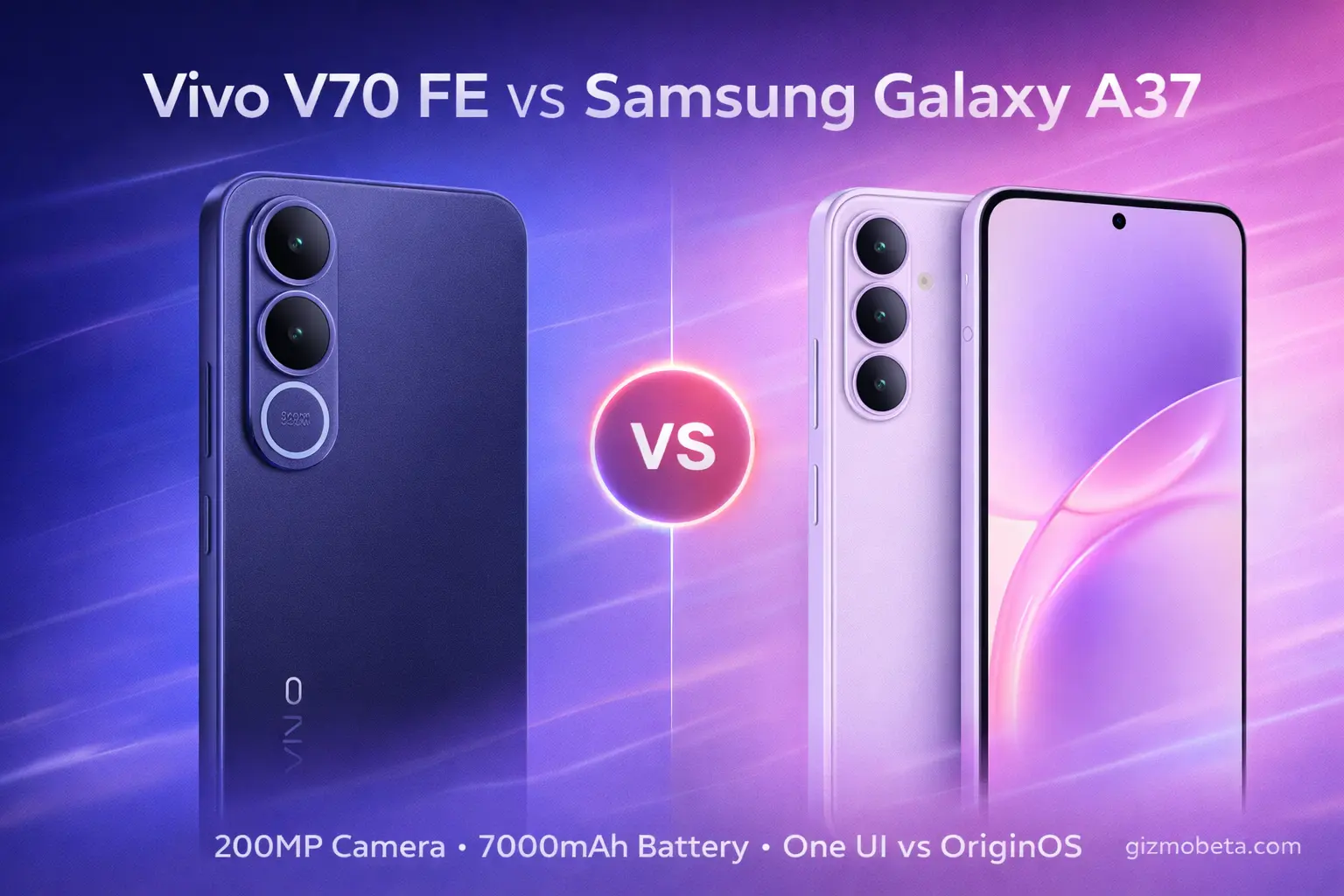
Vivo V70 FE vs Samsung Galaxy A37 full comparison covering camera, battery, performance, display, software, and verdict to help you choose the right phone.
Both smartphones target buyers who want a premium mid-range experience, but the way they deliver that experience feels completely different in daily use. Vivo comes in with a stronger focus on eye-catching hardware, offering a 200MP camera, a larger battery, and much faster charging speeds, which instantly appeals to users who care about specs that make an immediate difference.
Samsung, on the other hand, takes a more refined and long-term approach. The Galaxy A37 is likely to attract buyers who value software stability, polished One UI features, trusted after-sales support, and a familiar ecosystem experience. This makes the comparison far more interesting than a simple specs battle.
From a practical perspective, the decision here depends on what matters more to you. If your priority is camera detail, longer battery backup, and aggressive hardware value, the Vivo V70 FE naturally looks stronger on paper. But if you prefer software trust, long update support, and Samsung’s consistent display tuning, the Galaxy A37 still has its own strong advantage.
What really makes this comparison worth discussing is that both phones are trying to solve different user needs. One focuses on maximum hardware appeal, while the other leans toward balanced reliability and brand trust.
That’s exactly why this battle becomes much more interesting than it first appears.
Vivo V70 FE vs Samsung Galaxy A37 – Specs Comparison
| Feature | Vivo V70 FE | Samsung Galaxy A37 |
|---|---|---|
| Launch Year | 2026 | 2026 |
| Price in India | ₹37,999 | ₹38,999 |
| Display Size | 6.83-inch | 6.7-inch |
| Display Type | 1.5K AMOLED | Super AMOLED |
| Resolution | 1260 × 2800 pixels | 1080 × 2340 pixels |
| Refresh Rate | 120Hz | 120Hz |
| Peak Brightness | 1900 nits | 1900 nits |
| Processor | MediaTek Dimensity 7360 Turbo | Samsung Exynos 1480 |
| GPU | Mali-G615 MC2 | Xclipse 530 |
| RAM | 8GB / 12GB | 8GB / 12GB |
| Storage | 128GB / 256GB | 128GB / 256GB |
| Storage Type | UFS 3.1 | UFS 3.1 |
| Rear Camera | 200MP OIS + 8MP Ultra-wide | 50MP OIS + 8MP Ultra-wide + 5MP Macro |
| Front Camera | 50MP Eye Autofocus | 12MP Selfie Camera |
| Video Recording | 4K | 4K |
| Battery | 7000mAh | 5000mAh |
| Charging Speed | 90W FlashCharge | 45W Fast Charging |
| OS | Android 16, OriginOS 6 | Android 16, One UI |
| Fingerprint Sensor | In-display | In-display |
| Water Resistance | IP68 + IP69 | IP68 |
| Speakers | Dual stereo speakers | Stereo speakers |
| Build | Premium matte finish, flat frame | Glass back, slim frame |
| Weight | 200g | 196g |
| Colours | Monsoon Blue, Northern Lights Purple | Lavender, Black, White |
| Best For | Camera + battery lovers | Samsung ecosystem + software trust |
Vivo V70 FE vs Samsung Galaxy A37 Design
When it comes to design, both the Vivo V70 FE and Samsung Galaxy A37 follow a modern flat-frame approach, but the overall personality of both phones feels very different.
The Vivo V70 FE immediately looks more eye-catching because of its bold camera island and rich matte blue finish. The back panel has a premium texture that resists fingerprints well, and the large circular camera rings give it a more stylish, camera-focused identity. In hand, the phone feels slightly more confident and performance-oriented, almost like it wants to show off its hardware strengths.
Samsung takes a cleaner and more minimal route with the Galaxy A37. The lavender finish and individually aligned camera rings create a softer, more elegant look. Instead of making the camera module the center of attention, Samsung keeps the rear panel visually simple, which makes the phone feel more polished and brand-consistent. This design language also blends well with the rest of Samsung’s A-series lineup.
From a usability point of view, both phones offer comfortable flat sides and a slim profile, making them easy to grip during long usage sessions.
If you prefer a bold and premium-looking camera design, the Vivo V70 FE stands out more. But for users who like a clean, classy, and timeless design, the Galaxy A37 feels more refined.
Vivo V70 FE vs Samsung Galaxy A37 Display
The display experience is one of the biggest reasons this comparison feels so close, because both phones are clearly designed to deliver a premium viewing experience.
The Vivo V70 FE comes with a slightly larger 6.83-inch 1.5K AMOLED panel, which immediately gives it an edge in sharpness and overall screen real estate. Text looks crisper, streaming content feels more detailed, and the extra resolution helps while browsing, editing photos, or watching high-quality videos. The panel also feels more immersive because of its slim bezels and brighter contrast output.
Samsung responds with its trusted 6.7-inch Super AMOLED display, and as expected, the strength here is color tuning. The Galaxy A37 delivers a more balanced and naturally pleasant look, especially for users who prefer Samsung’s signature vibrant yet controlled color profile. Social media content, YouTube videos, and day-to-day scrolling feel very polished on this screen.
Both phones support a 120Hz refresh rate, so smoothness is excellent on either side. App animations, gaming movement, and fast scrolling all feel fluid without noticeable lag.
In practical use, the difference comes down to preference. The Vivo V70 FE offers a sharper and slightly larger cinematic experience, while the Galaxy A37 focuses on Samsung’s proven display calibration and visual consistency.
If your priority is maximum sharpness, Vivo has the edge. For users who value Samsung’s display tuning and familiar AMOLED feel, the A37 remains equally impressive.
Vivo V70 FE vs Samsung Galaxy A37 Performance
In day-to-day performance, both the Vivo V70 FE and Samsung Galaxy A37 are easily capable enough for modern multitasking, but they deliver speed in slightly different ways.
The Vivo V70 FE feels more aggressive on paper thanks to its MediaTek Dimensity 7360 Turbo chipset, which is tuned to prioritize faster app launches, smoother gaming response, and stable multitasking. In regular use, the phone handles social media, camera switching, video editing, and heavy background apps without feeling stressed. The higher-resolution display also pairs nicely with the chipset, making animations and transitions feel consistently smooth.
Samsung’s Galaxy A37, powered by the Exynos 1480, focuses more on balanced and optimized long-term performance. While benchmark numbers may not always look as flashy, Samsung’s software optimization through One UI helps the phone feel polished in daily use. App switching is smooth, gaming performance remains stable, and the overall experience feels reliable rather than overly aggressive.
For gaming, both phones can comfortably manage titles like BGMI, COD Mobile, and Asphalt with high graphics settings, but the Vivo V70 FE may feel slightly stronger during longer sessions because of its performance-focused tuning and larger battery backup.
The real difference here is simple: Vivo leans toward raw hardware speed, while Samsung delivers a more refined and stable software-driven performance experience.
If you prefer faster hardware value, Vivo feels stronger. For smoother long-term software optimization, Samsung still holds its own.
Camera :
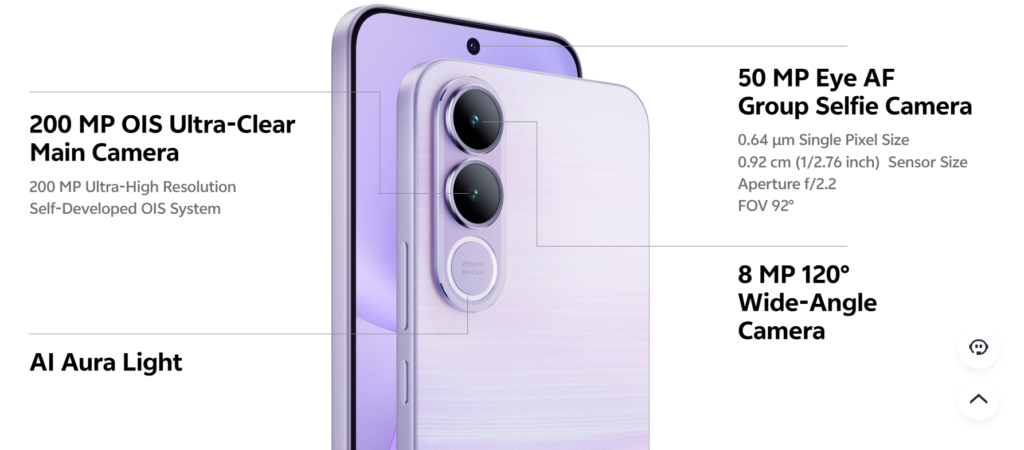
The camera comparison between the Vivo V70 FE and Samsung Galaxy A37 is where both phones start showing their real priorities.
The Vivo V70 FE clearly takes the lead on hardware with its 200MP OIS main camera, and this immediately shows up in the amount of detail it can capture. Daylight shots tend to look sharper, textures appear more defined, and there is extra flexibility when cropping photos later. Portraits also benefit from Vivo’s image processing, with stronger subject separation and more eye-catching social media-ready colors.
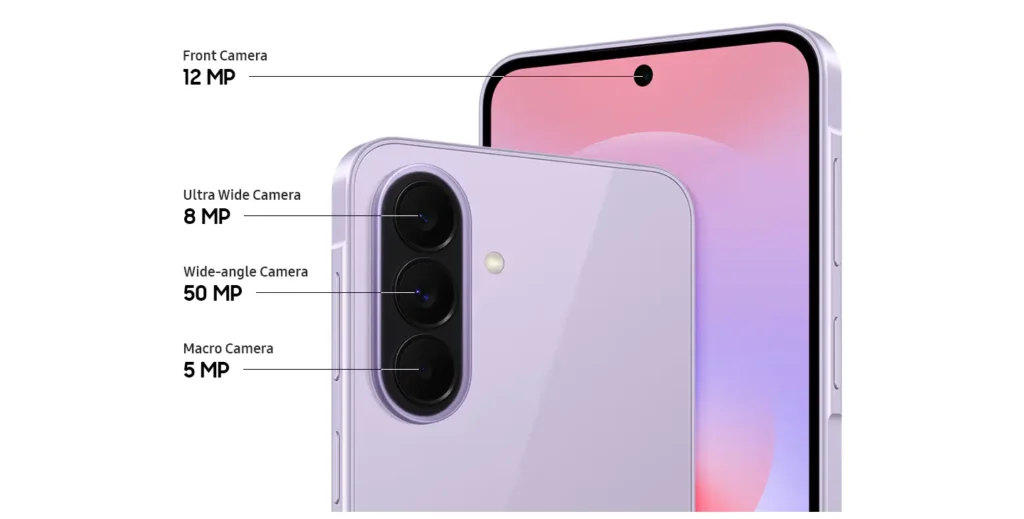
Samsung’s Galaxy A37, while lower in megapixel count, approaches photography in a more balanced way. Its 50MP OIS main sensor focuses on consistency, often producing more natural color tones and a slightly softer processing style. This makes the photos feel cleaner and more realistic, especially for users who don’t like overly boosted contrast.
The extra macro lens on Samsung adds versatility, but in everyday use the main sensor still matters the most, and both phones perform reliably for standard photography.
For selfies, the Vivo V70 FE again feels more premium thanks to its 50MP front camera with autofocus, which is better suited for portrait selfies, video calls, and creator-style content. Samsung’s front camera remains good, but Vivo offers more flexibility and detail.
In simple terms, Vivo wins on camera hardware and sharper output, while Samsung feels more natural and color-balanced in everyday photography.
Vivo V70 FE vs Samsung Galaxy A37 Battery
Battery life is one area where the Vivo V70 FE clearly holds a noticeable advantage. Its 7000mAh battery simply offers more confidence for heavy users, whether it’s gaming, streaming, or long social media sessions. The 90W fast charging also helps it recover much quicker when needed.
The Samsung Galaxy A37, with its 5000mAh battery and 45W charging, still delivers reliable all-day backup, but it doesn’t quite match Vivo’s endurance-focused approach.
In simple terms, Vivo is the better pick for battery-heavy users, while Samsung remains sufficient for regular daily usage.
Vivo V70 FE vs Samsung Galaxy A37 : Software & Updates
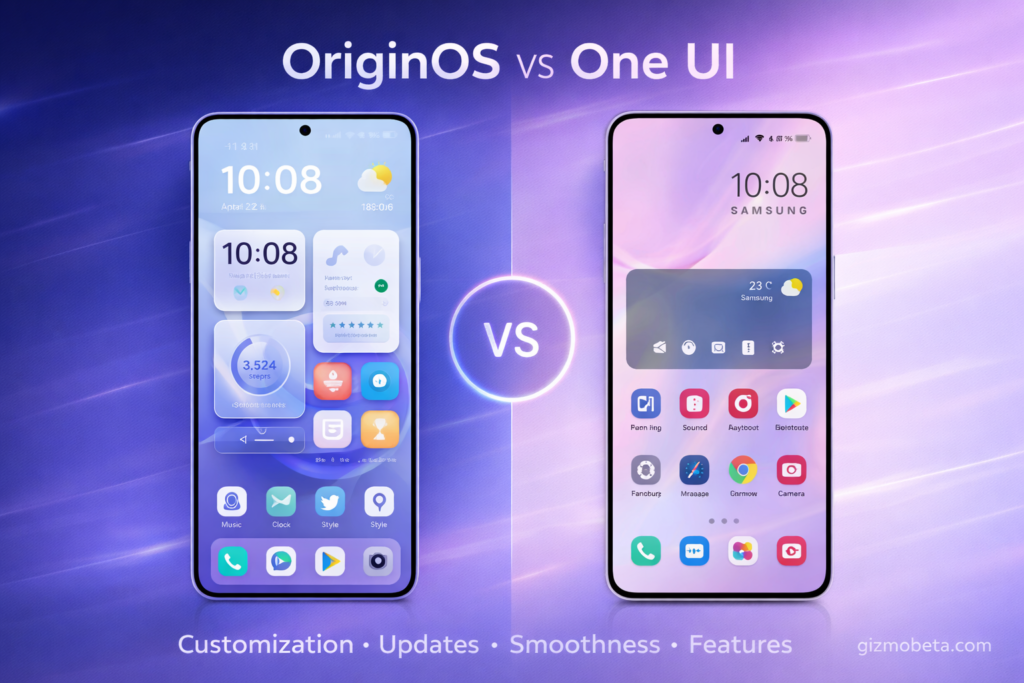
When it comes to software support, the Samsung Galaxy A37 naturally feels like the safer long-term choice.
Samsung has built a strong reputation for giving its A-series phones longer Android updates and regular security patches, and that adds real peace of mind for buyers who usually keep the same phone for three to four years. One UI also feels familiar, polished, and packed with useful features that improve the overall daily experience over time.
The Vivo V70 FE, on the other hand, offers a smooth and modern experience with OriginOS 6 based on Android 16. The interface feels fast, visually clean, and feature-rich, especially for users who enjoy customization and extra smart tools. For day-to-day usage, it easily feels premium and responsive.
The real difference is simple: Vivo feels exciting in the present, while Samsung gives more confidence for the future.
So if long software life matters more to you, Samsung has the edge. But if you care more about how smooth and feature-packed the phone feels right now, Vivo still does a great job.
Vivo V70 FE vs Samsung Galaxy A37 : Final Verdict
After comparing both phones across design, display, performance, camera, battery, and software, it’s clear that the Vivo V70 FE vs Samsung Galaxy A37 are built for different types of users.
The Vivo V70 FE feels like the stronger hardware-focused choice. Its 200MP camera, larger 7000mAh battery, faster 90W charging, and sharper 1.5K display make it more appealing for users who want maximum value from the specs sheet. It feels especially suitable for people who care about photography, gaming sessions, and longer battery life without charging anxiety.
The Samsung Galaxy A37, however, feels more balanced and future-safe. Its biggest strengths are One UI, long-term software updates, polished display tuning, and Samsung’s ecosystem trust. For users who keep a phone for years and prefer a more refined day-to-day experience, Samsung naturally makes more sense.
So the decision is simple:
- Choose Vivo V70 FE if camera, battery, and fast charging matter most.
- Choose Samsung Galaxy A37 if software longevity, cleaner UI, and long-term reliability matter more.
Vivo wins on hardware excitement, while Samsung wins on long-term peace of mind.
That’s what makes this comparison interesting—neither phone is universally better, it depends on the kind of user you are.